The roots are lifted by hand fork rather than by machine. Xinbin's plots are small and terraced, and a mechanical lifter working a slope like that takes the root heads off with the soil. A crew of six lifted just under two tonnes over four days.
Lifting starts when the foliage has died back and the root has stopped moving sugars into the leaf. Lift too early and the root is light and watery; wait too long and the first hard frost takes the fine rootlets, which are the part buyers look at first.
The roots are rinsed in clean running water within a few hours of coming out of the ground — long enough to take the field soil off, not long enough to soak them. They are then sorted by size on a slatted table while still wet, because the difference between grades is much easier to see on a wet root than on a dry one.
Drying is the part that decides the lot. The roots go onto a heated floor at 38 °C for the first two days, and the temperature is stepped up slowly after that. A root dried fast cracks along the shoulder, and a crack is where mould starts in storage. The floor is turned by hand twice a day so the underside dries at the same rate as the top.
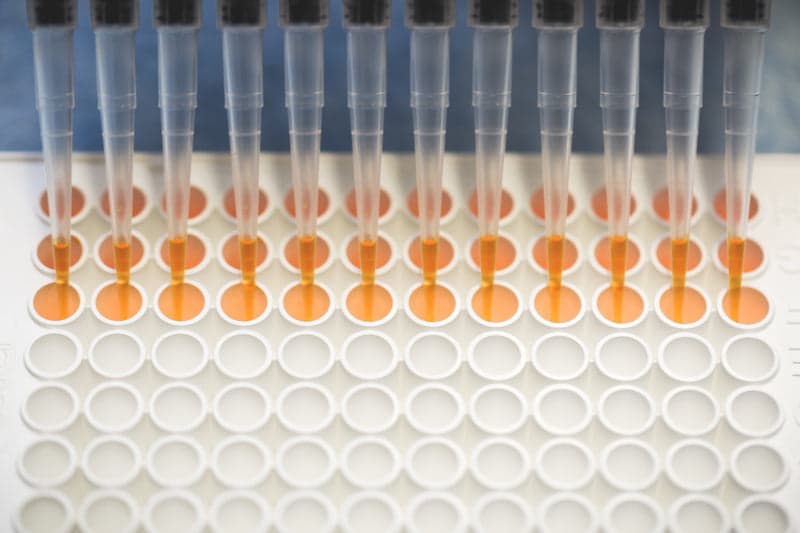
Every lot is sampled and sent for third-party laboratory testing — heavy metals, pesticide residues, microbial counts and aristolochic acid — before it is released. Certificates of analysis are issued per lot; if you need the one for a batch you have received, send us the lot number.
We describe what the material is and how it was handled. We make no health claim of any kind.
Comments (0)
No comments yet. Be the first to leave one.